

Dynamic Strain Gauges and Bridge Measurement动态应变片与桥路测量
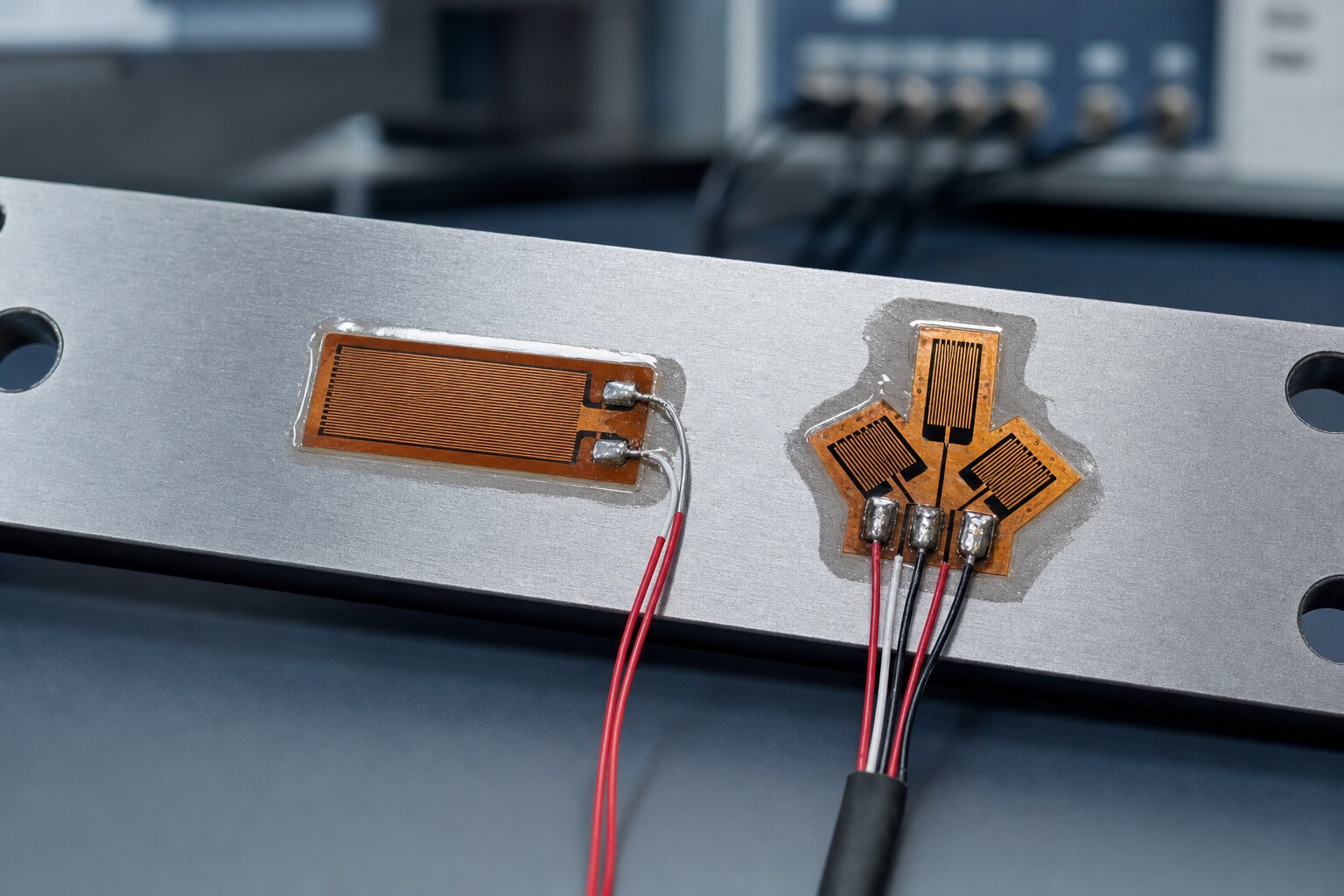
Foil strain gauges turn microscopic surface deformation into a measurable resistance change. With the correct gauge, bridge configuration, bonding process and synchronized acquisition, dynamic strain directly reveals load paths, stress concentration and fatigue cycles.箔式应变片把构件表面的微小变形转换为可测电阻变化。通过正确的应变片、桥路、粘贴工艺与同步采集,动态应变可以直接揭示传力路径、应力集中与疲劳循环。
Acceleration Shows Motion; Strain Shows Structural Demand加速度说明运动,应变说明结构受力
A global vibration response may look acceptable while a weld, connection, diaphragm or local section carries damaging stress cycles. Dynamic strain measures the local consequence of a passing vehicle, gust, impact, pressure pulse or machinery cycle.整体振动响应可能仍在合理范围内,但焊缝、连接、横隔板或局部截面已经承受有害应力循环。动态应变记录车辆通过、阵风、冲击、压力脉冲或机械循环造成的局部受力结果。
Where the Load Travels荷载如何传递
Compare synchronized strain channels to verify load sharing between members, bearings and connections.通过同步应变通道验证构件、支座与连接之间的荷载分配。
Stress Concentration应力集中
Measure local gradients around weld toes, openings, joints and section changes.测量焊趾、开孔、接头与截面变化处的局部应变梯度。
Fatigue Demand疲劳需求
Rainflow counting and stress-range histograms convert repeated events into cumulative fatigue evidence.通过雨流计数与应力幅统计,把重复事件转换为累积疲劳证据。
Cause and Response激励与响应关联
Common-clock strain, acceleration and pressure distinguish load input from structural amplification.统一时钟下的应变、加速度与压力可区分荷载输入和结构放大。
Bond the Grid to the Structure, Then Measure Its Resistance Change让敏感栅随结构变形,再测量电阻变化
The foil grid follows surface extension or compression through the adhesive layer. Because the resistance change is very small, a Wheatstone bridge, stable excitation and low-noise differential acquisition convert it into a usable voltage signal.箔式敏感栅通过胶层随构件表面伸长或压缩。由于电阻变化极小,需要惠斯通电桥、稳定激励和低噪声差分采集把它转换为可用电压信号。
ΔR / R = K · εStrain · length change · gauge factor应变 · 长度变化 · 灵敏系数
A Complete Measurement Includes More Than the Gauge完整测量不只是一片应变片
Gauge length determines spatial averaging; grid orientation determines the measured strain direction; backing and adhesive determine temperature and frequency behavior; lead wiring and bridge completion determine noise, compensation and sensitivity.栅长决定空间平均尺度,敏感栅方向决定测得的应变方向,基底与胶粘剂决定温度和频率适应性,导线与补桥方式决定噪声、补偿与灵敏度。
Quarter, Half and Full Bridge Answer Different Questions四分之一桥、半桥与全桥解决不同问题
“Single bridge” in field practice normally means a quarter bridge with one active gauge. The best circuit depends on load type, temperature compensation, available installation faces and required sensitivity.现场常说的“单桥”通常指一个工作片的四分之一桥。具体桥路应根据载荷形式、温度补偿、可安装表面与所需灵敏度确定。
Quarter Bridge · One Active Gauge四分之一桥 · 单臂工作
The simplest arrangement for a known uniaxial strain direction. Three-wire connection is preferred for longer leads; a matched dummy gauge can improve temperature compensation.适用于方向明确的单向应变,是最简配置。长导线优先采用三线制,也可使用匹配的温度补偿片。
Half Bridge · Two Active or Active + Dummy半桥 · 双工作片或工作片 + 补偿片
Two active gauges can increase output and separate bending from axial strain when placed correctly. An active-plus-dummy arrangement prioritizes thermal compensation.两个工作片按正确位置布置时可提高输出,并分离弯曲与轴向应变;工作片加补偿片的方式则优先解决温度影响。
Full Bridge · Four Active Gauges全桥 · 四工作片
Four active arms maximize bridge output and reject common temperature effects. It is the preferred configuration for dedicated load cells, force members and controlled bending measurements.四个工作臂可获得最大桥路输出并抑制共同温度影响,适用于专用测力构件、载荷传感器与受控弯曲测量。
Relative sensitivity assumes ideal axial arrangements and identical gauge factors. Bending, Poisson, temperature-compensation and mixed-active circuits have different transfer functions and must be calculated for the actual layout.相对灵敏度基于理想轴向布置与一致灵敏系数。弯曲桥、泊松桥、温度补偿桥与混合工作片桥路的传递关系不同,必须按实际布置计算。
A Practical Starting Matrix for Structural Measurement面向结构测量的代表型号矩阵
These representative models cover common steel work, rosette analysis, weldable installation, underwater service and high temperature. Lead, backing, self-temperature-compensation and packaging options are finalized for the project.以下代表型号覆盖常规钢结构、应变花分析、焊接安装、水下环境与高温测量。导线、基底、自温度补偿与包装选项按项目最终确认。
| Model型号 | Grid / resistance栅长 / 阻值 | Temperature class温度等级 | Typical use典型用途 |
|---|---|---|---|
| BE120-3AA-P500 | 3 mm / 120 Ω | -30 to 80°C | General single-axis strain on homogeneous metal members均质金属构件通用单向应变 |
| BE350-3AA-P100 | 3 mm / 350 Ω | -30 to 80°C | Lower bridge current and reduced lead influence for multi-channel tests多通道测试中降低桥路电流与导线影响 |
| BA350-3AA150(11)-G300 | 3 mm / 350 Ω | -80 to 150°C | Medium-temperature alloy-steel structures中温合金钢结构 |
| BE120-3CA(11)-P300 | 3-grid rosette / 120 Ω三栅应变花 / 120 Ω | -30 to 80°C | Unknown principal direction and plane-stress analysis主应变方向未知及平面应力分析 |
| HCY120-3AA(11)-P** | 3 mm / 120 Ω | -30 to 150°C | Weldable installation where bonding preparation is impractical不便现场粘贴处理时的焊接安装 |
| TJ350-4AA | 4 mm / 350 Ω | Underwater family水下系列 | Hydraulic structures and submerged steel components水工结构与浸水钢构件 |
| TG350-3AA800-YF50 | 3 mm / 350 Ω | Up to 800°C最高 800°C | Furnace, turbine and other specialist high-temperature tests炉体、涡轮及其他专业高温试验 |
“**” denotes a project-selected lead and packaging option. Model suitability also depends on adhesive, protective coating, substrate expansion and measurement duration.“**”表示按项目选择的导线与封装选项。型号是否适用还取决于胶粘剂、防护层、基材热膨胀及测量时长。
Surface Preparation Is Part of the Sensor表面处理就是传感器的一部分
Most field strain errors come from orientation, bonding, wiring, moisture protection or temperature behavior rather than the foil grid itself.现场应变误差多数来自方向、粘贴、接线、防潮或温度行为,而不是敏感栅本身。
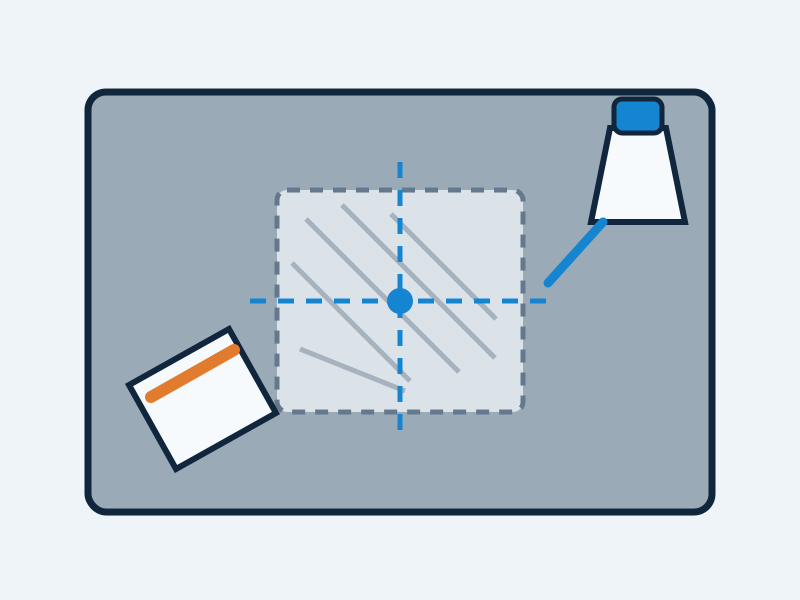
Prepare and Mark the Measurement Axis处理表面并标记测量轴线
Remove coating, corrosion and oil within the bonding area, finish to the adhesive process and mark the grid centerline without scratching the final surface.清除粘贴区涂层、锈蚀与油污,按胶粘工艺处理表面,并在不划伤最终表面的前提下标出敏感栅中心线。
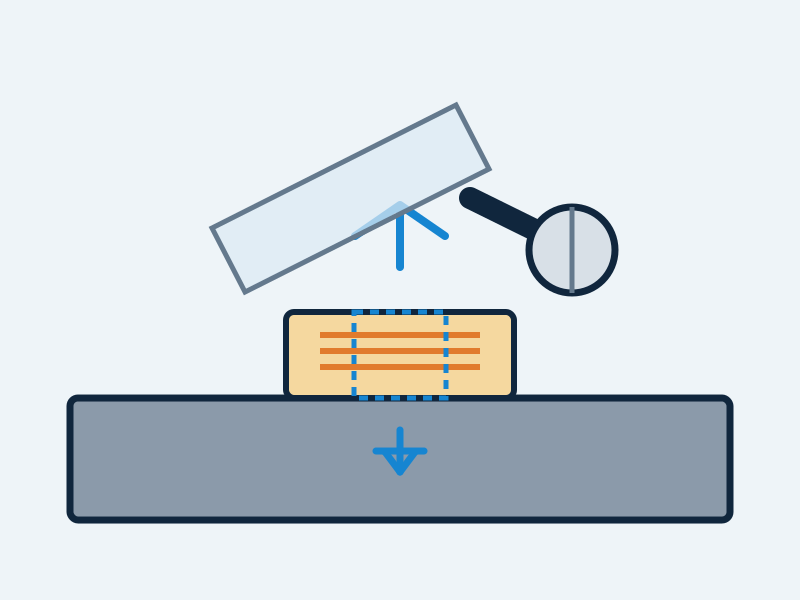
Align the Grid and Control the Bond Layer对准敏感栅并控制胶层
Use transfer tape or a positioning fixture, apply uniform pressure and complete the specified cure. Grid rotation directly creates transverse measurement error.使用转移胶带或定位工装,均匀加压并完成规定固化。敏感栅方向偏转会直接引入横向测量误差。

Relieve the Leads and Seal the Installation释放导线应力并完成密封防护
Provide solder tabs, a service loop and cable restraint before applying the moisture, mechanical and temperature protection required by the site.先设置焊接端子、服务弯与电缆固定,再根据现场环境施加防潮、机械与温度防护层。
Load and Direction载荷与方向
- Axial / bending / shear轴向 / 弯曲 / 剪切
- Known or unknown principal axis主方向已知或未知
Surface表面
- Degrease and abrade除油与打磨
- Mark alignment标记方向
Gauge应变片
- Controlled adhesive layer控制胶层
- Cure to specification按工艺固化
Bridge桥路
- Strain relief and shielding应力释放与屏蔽
- Quarter / half / full四分之一 / 半 / 全桥
Zero and Calibration调零与校验
- Insulation and resistance绝缘与阻值
- Shunt and polarity check并联电阻与极性检查
Dynamic Strain Turns Repeated Loading into Engineering Evidence动态应变把重复荷载转化为工程证据
Synchronized acquisition links each local strain cycle to acceleration, pressure, traffic or machine state.同步采集把每个局部应变循环与加速度、压力、交通或机械工况关联起来。
Welds and Details焊缝与构造细节
Traffic-induced stress ranges at deck details, diaphragms, bearings and steel connections.桥面细节、横隔板、支座和钢结构连接处的交通应力幅。
Gate and Powerhouse闸门与厂房
Transient strain around gates, penstocks, embedded parts and machinery foundations.闸门、压力管道、埋件和机组基础周边的瞬态应变。
Repeated Load Cycles重复载荷循环
Vehicle, axle, spindle and machine-frame stress histories under operating conditions.运行工况下的车辆、车轴、主轴与机架应力历程。
Load and Fatigue Validation载荷与疲劳验证
Static-to-dynamic load tests, component qualification and measured fatigue-spectrum construction.静动载试验、构件验证与实测疲劳载荷谱构建。
Define the load case before choosing the gauge先定义载荷工况,再选择应变片
Provide the material, temperature, expected strain and frequency, stress direction, surface condition, environment, cable length and channel count. Rasber will configure the gauge, bridge and acquisition chain.提供材料、温度、预期应变与频率、受力方向、表面条件、环境、电缆长度和通道数,瑞茨柏将配置应变片、桥路与采集链。